Hot melt adhesives (such as EVA, PA, PES, and PU-based hot melts) exhibit characteristics including a wide viscosity range (1000–100,000 mPa·s), high thermal sensitivity, and susceptibility to oxidative degradation. The corresponding melt pumps must primarily address three core challenges: precise metering, low-temperature protection, and oxidation prevention. The following are targeted technical solutions:
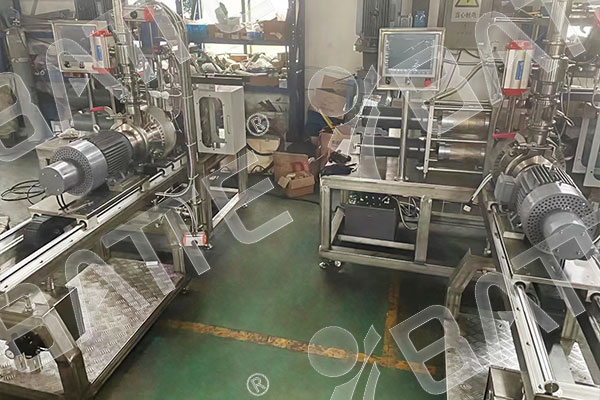
I. Core Functions of Hot Melt Adhesive Melt Pumps
Pressure and Flow Stabilization: Eliminates adhesive flow irregularities caused by extruder screw fluctuations, ensuring consistent adhesive volume for downstream processes like coating, spraying, and pelletizing (metering accuracy ±0.5%–1%).
Load Reduction & Degradation Prevention: Lowers extruder backpressure to minimize shear-induced heating from the screw, preventing adhesive yellowing and crosslinking failure caused by prolonged high-temperature residence.
Enhanced Conveyance Efficiency: For high-viscosity hot melt adhesives (e.g., PU hot melts), employs forced gear-meshing conveyance to resolve melt stagnation and flow obstruction issues.
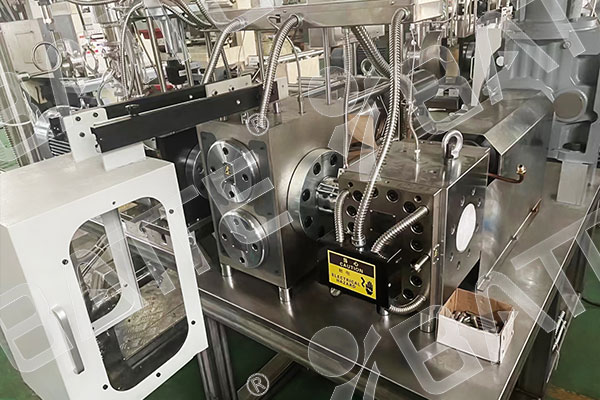
II. Key Selection Criteria (Adapted by Hot Melt Adhesive Type)
Pump Body Material: Anti-adhesion, wear-resistant, corrosion-resistant
- EVA/PA Hot-Melt Adhesives: Nitrided steel (38CrMoAlA) with surface finish Ra ≤ 0.2μm to minimize adhesive adhesion;
- PU Hot-Melt Adhesives: Stainless steel 316L for resistance to ester-based media corrosion, preventing catalytic adhesive decomposition
Sealing System: Prevents melt oxidation and leakage
Double-ended mechanical seal + thermal oil/nitrogen cooling:
- Maintain seal surface temperature 10–20°C below hot melt adhesive melting point to prevent adhesive carbonization and seal blockage;
- Nitrogen-filled protective chamber isolates air to prevent high-temperature oxidation of EVA/PU hot melt adhesives
Temperature Control System: Precise temperature regulation with ≤±1℃ deviation
- Pump body employs zone heating (independent temperature control for pump body/cover/inlets/outlets) to accommodate adhesive viscosity variations with temperature;
- Heating method: Cast aluminum heaters (rapid heating, precise control) prevent localized overheating
Speed Matching: Low-speed operation (5~50 rpm)
Higher adhesive viscosity requires lower speeds (e.g., PU hot melt adhesive recommends ≤20 rpm) to minimize shear-induced heating.
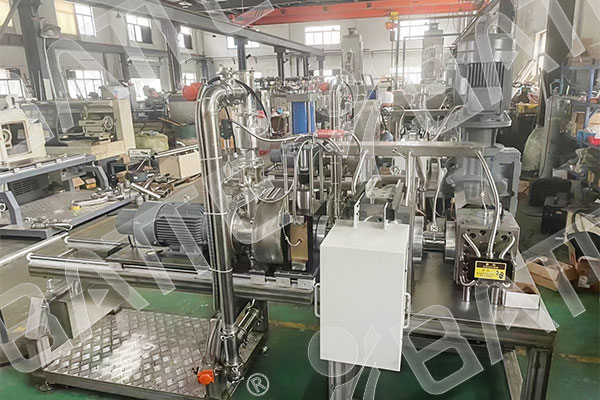
III. Selection Considerations
Avoid oversizing: Select melt pump displacement based on actual production capacity. Excessive displacement prolongs adhesive residence time in the pump, causing degradation.
Ensure material compatibility: PU hot melt adhesives must not come into direct contact with carbon steel, as this accelerates adhesive decomposition. Stainless steel pump bodies are mandatory.
Prioritize integrated suppliers: Select manufacturers offering complete solutions combining “melt pump + temperature control system + sealing system” to minimize equipment compatibility issues.
Email: sale@meltpump.com
WhatsApp: +86 158 3833 1071